Recycling and Sustainability — Marylebone Skip Hire
 Marylebone Skip Hire is committed to creating an eco-friendly waste disposal area approach across the community. Our vision for a sustainable rubbish area in Marylebone and surrounding boroughs balances practical skip hire services with ambitious environmental targets. We operate as a local skip provider and sustainability partner, ensuring every load is assessed, sorted and routed to the most appropriate facility to maximise reuse and recycling.
We have set a clear recycling percentage target: to achieve a 75% diversion rate from landfill for all skip contents by 2027. That target applies across household clearances, commercial site work and construction waste. To reach it we combine careful on-site segregation, partnerships with local transfer stations and continuous improvement of our processing streams. Our policies are designed to support the boroughs' approach to waste separation while reducing carbon intensity from collection to processing.
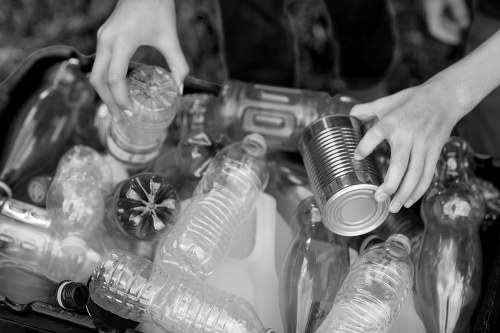
 Local transfer stations are at the heart of our logistics. We partner with licensed facilities in and around central London for segregated streams — clean inert aggregates, mixed construction & demolition arisings, wood, metals, and hazardous or specialist flows such as contaminated soil. In keeping with many boroughs' waste separation schemes, we ensure organics (food and garden) are kept separate where collected, and dry recyclables (paper, card, glass, and tins) are directed back into municipal recycling circuits.
Partnerships, Reuse and Charity Collaboration
Collaborations with local charities and community organisations are a key pillar of our sustainable rubbish area approach. We work with furniture re-use charities, textile banks and electronic waste partners so that resalable items recovered from clearances get a second life. Rather than sending usable appliances or furniture to the tip, our trained crews identify items for donation and arrange transfer, supporting local social value and reducing the need for new production.
Our zero-to-landfill ambition for specific reusable streams means that items suitable for reuse follow a different pathway from residual waste. We also collaborate with repair cafés and upcycling initiatives in the borough, creating circular economy routes for materials that might otherwise be discarded. These partnerships reduce disposal costs and improve local sustainability outcomes.
 Low-carbon vans and an optimised fleet schedule further minimise environmental impact. We operate hybrid and electric vans where feasible and deploy route optimisation software to reduce mileage, idling and emissions. Each vehicle is tracked for fuel use and CO2 output so progress against our low-carbon delivery commitment is measurable. Our logistics model supports an eco-friendly waste disposal area by lowering the carbon footprint of collections and deliveries.
Recycling Streams and Borough Practices
Practical recycling activities we manage reflect local priorities. In the Marylebone area and neighbouring boroughs, common separation requirements include dry recyclables, glass banks, food waste collections and separate soil/aggregate handling for building works. Our teams respect local council protocols and help customers segregate across these streams to support municipal recycling targets.
Typical recycling and recovery activities we coordinate include:
- Paper and card — baled and returned to cardboard mills
- Glass — sorted and crushed for cullet processing
- Metals — ferrous and non-ferrous separated for smelting
- Wood — chipped and reprocessed into biomass or panel board
- Inert materials — crushed concrete and brick for reuse on-site or in construction
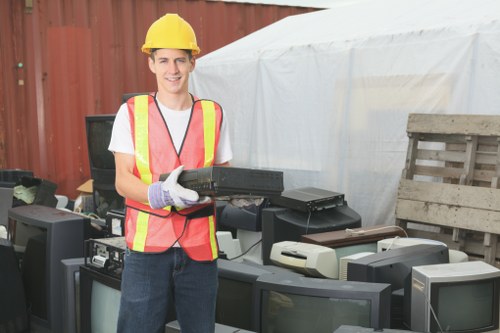
- WEEE — appliances and electronics handled through authorised recycling centres
These activities support a sustainable rubbish area that aligns with borough-level waste separation guidelines while keeping materials in productive use.
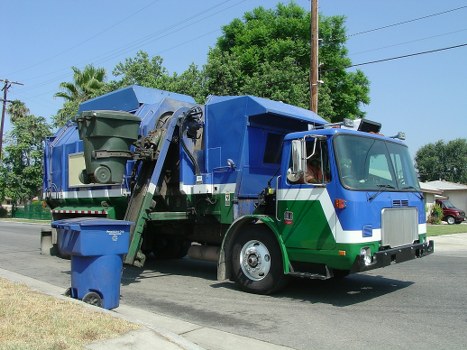 To make every collection count we emphasise on-site segregation and crew training. Crews are trained to spot items that can be diverted to donation, recycling or specialist recovery. Clear signage on our skips and guidance at the point of hire help customers choose the right container for mixed demolition, green waste or household clear-outs. This behaviour-focused work complements the physical systems at our transfer station partners.
We perform regular environmental audits and publish internal progress summaries to measure performance against our recycling percentage target. Continuous improvement includes investing in better sorting technologies at partner facilities, trialling additional low-emission vehicles and increasing the share of reusable materials recovered. Our reporting cycle helps maintain momentum toward our sustainability goals without compromising service reliability.
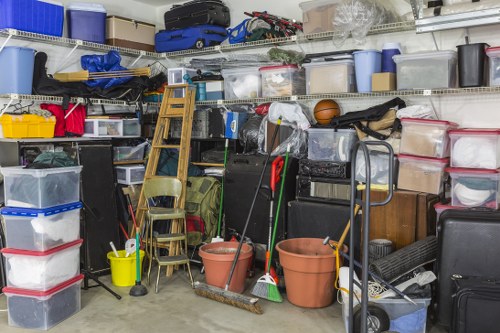 In summary, our commitment as a local provider of skip hire in Marylebone embraces practical steps: ambitious recycling targets, strong local transfer-station networks, charity partnerships for reuse, and an evolving fleet of low-carbon vans. Whether you need a small skip for a home clearance or a larger container for construction waste, our approach ensures materials are handled with the environmental care expected of a modern, eco-conscious skip service.