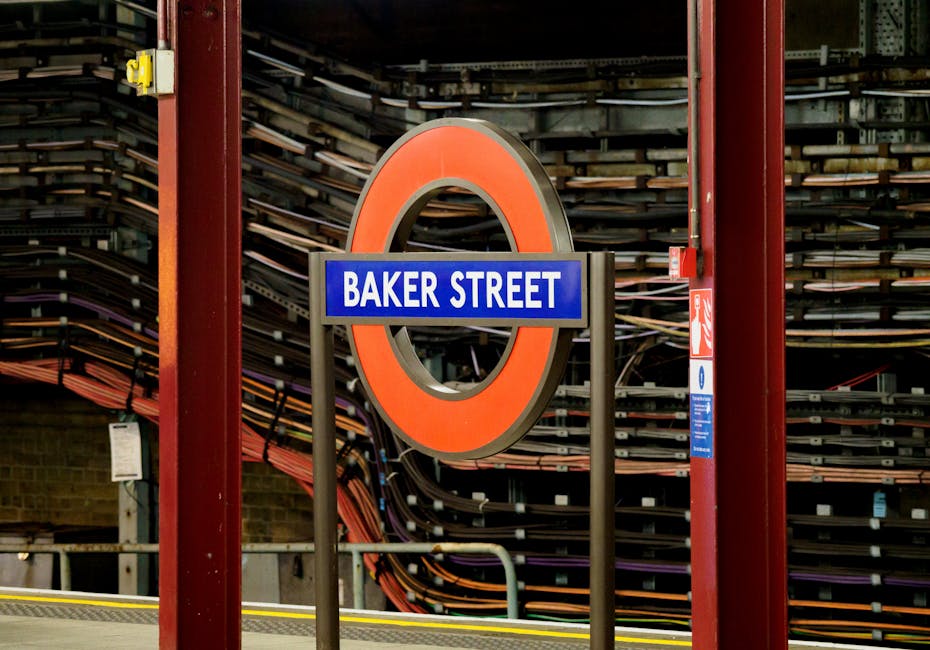
Marylebone rubbish removal near Baker Street station tips
If you are trying to sort out Marylebone rubbish removal near Baker Street station tips, you are probably dealing with one of two things: a pile that needs shifting quickly, or a job that sounds simple until the stairs, traffic, parking, and timing all get in the way. Around Baker Street, that extra bit of planning matters. Streets are busy, access can be awkward, and a five-minute delay can turn into a much longer headache. The good news? With the right approach, rubbish removal in Marylebone can be straightforward, tidy, and surprisingly efficient.
This guide covers how local rubbish removal works, which option suits different jobs, what to check before booking, and the common mistakes people make when they are in a rush. You will also get practical tips for homes, flats, offices, and small refurb projects near Baker Street station. Nothing overcomplicated. Just the stuff that actually helps.
Table of Contents
- Why Marylebone rubbish removal near Baker Street station tips Matters
- How Marylebone rubbish removal near Baker Street station tips Works
- Key Benefits and Practical Advantages
- Who This Is For and When It Makes Sense
- Step-by-Step Guidance
- Expert Tips for Better Results
- Common Mistakes to Avoid
- Tools, Resources and Recommendations
- Law, Compliance, Standards, or Best Practice
- Options, Methods, or Comparison Table
- Case Study or Real-World Example
- Practical Checklist
- Conclusion
- Frequently Asked Questions
Why Marylebone rubbish removal near Baker Street station tips Matters
Marylebone is not a place where waste removal is just about lifting bags into a truck and driving off. Near Baker Street station, there are practical pressures that affect almost every collection: heavy foot traffic, tight kerbs, controlled parking, delivery windows, apartment blocks, and buildings where carrying rubbish down narrow stairs is simply part of the job. If you ignore those details, the collection can become slower, more expensive, or more stressful than it needs to be.
That is why local tips matter. A bit of prep can save you from wasted time, accidental overfilling, missed access windows, or the awkward moment of discovering that your old fridge, broken mirror, and bag of plasterboard do not all belong in the same load. It also helps you choose the right service first time, which is a nice feeling, frankly. No one wants to book twice.
For many people, the goal is not just disposal. It is keeping the job discreet, orderly, and safe. That matters in Marylebone especially, where properties are often shared, entrances are compact, and neighbours are close enough to notice if a pile of rubbish sits out for too long. A well-planned removal protects your time, your space, and your reputation if the property is rented or managed professionally.
If you are comparing options, it can also help to understand the broader waste services available locally, from rubbish removal to wait and load skip hire and man and van collections. The best choice depends on access, volume, and how quickly you need the waste gone.
How Marylebone rubbish removal near Baker Street station tips Works
At a practical level, rubbish removal means a team comes to your property, loads the waste, and takes it away for sorting, recycling, or disposal. That can be a single bulky item, a roomful of mixed household rubbish, or a much bigger job after an office clear-out or small renovation. Around Baker Street, the process usually works best when the access plan is clear before anyone arrives.
Most bookings start with an estimate based on what you have, where it is located, and how easy it is to remove. Ground-floor access is one thing. Fourth-floor access with no lift is another. A pile on the pavement outside a managed building? Different again. To be fair, that is where many people underestimate the job. The waste itself may be light, but the logistics are not.
Depending on the type of waste, you may be directed toward a specialist service rather than a standard collection. For example, bulky household items can be handled through mattress and sofa disposal or fridge and appliance removal, while larger mixed loads from a property clearance may sit better under house clearance or office clearance.
In some cases, a skip is the better answer. In others, it is overkill. If access is restricted near Baker Street, a skip permit may be needed, and it may be easier to use skip hire, skip hire permits, or a fast-turnaround option such as same day skip hire. The point is not to force one method. The point is to match the method to the site. Simple idea, big difference.
Key Benefits and Practical Advantages
When rubbish removal is planned properly in Marylebone, the benefits show up very quickly. You save time, reduce disruption, and make the space usable again. That matters whether you are clearing a flat, emptying a loft, or wrapping up a small refurb before letting the property out.
- Faster turnaround: useful when you have a move-out deadline, a cleaning visit, or work starting the next morning.
- Less physical strain: ideal if the job includes awkward furniture, bagged waste, or heavy mixed debris.
- Cleaner access routes: useful in shared buildings where hallways and entrances need to stay clear.
- Better space management: particularly important in compact Marylebone properties where every square metre matters.
- More suitable disposal: helps separate recyclable material, general waste, and specialist items.
There is also the confidence factor. If you know the collection is booked correctly, you can stop thinking about the waste pile every five minutes. That sounds small, but it is a real relief. People underestimate how distracting clutter can be until it is gone.
For business customers, the benefits are even more obvious. Offices, retail units, and managed workspaces near Baker Street often need discreet clearances with minimal interruption. In those cases, a scheduled service such as commercial skip hire or a more flexible grab hire service may work better than trying to move waste in piecemeal loads.
Who This Is For and When It Makes Sense
This kind of service suits a lot of people, not just builders or landlords. In Marylebone, rubbish removal near Baker Street station is often a practical choice for residents, office managers, letting agents, and tradespeople who need things gone without fuss.
It makes sense if you are:
- clearing a flat before or after a tenancy
- getting rid of bulky furniture from a top-floor property
- dealing with a garage, loft, or storage room full of long-forgotten bits
- managing a small office move or fit-out
- removing renovation waste after bathroom, kitchen, or hallway works
- sorting garden waste from a small courtyard or terrace area
It also makes sense when you do not want to spend a Saturday hiring a van, finding parking, lifting everything twice, and then driving across London hoping the local tip is not a drama. Sometimes the efficient route is the sensible route. No prizes for making it harder.
For people with mixed waste streams, it can help to split jobs into categories. Domestic rubbish may go one way, construction waste another, and confidential paperwork somewhere else entirely. If documents are involved, confidential shredding is a much better fit than a general rubbish pile. Likewise, if you are dealing with renovation waste, builders waste removal or construction waste disposal may be the smarter route.
Step-by-Step Guidance
If you want the cleanest result, follow a simple process. It does not need to be fancy, just disciplined enough to avoid surprises on collection day.
- Walk through the space carefully. Make a list of everything that needs to go. Check cupboards, under beds, loft corners, and storage rooms. People always miss one awkward item. Always.
- Separate the waste into rough groups. Think general rubbish, reusable items, wood, metal, garden waste, and anything special like fridges or mattresses.
- Check access. Is there a lift? Is the stairwell narrow? Can a truck stop close by? Is there a loading bay or a time restriction near Baker Street station?
- Choose the right service type. A straightforward load may suit rubbish removal, while a bigger mixed project may need skip hire or grab lorry hire.
- Confirm any permit or placement issue. If the waste container or vehicle needs to sit on the road, ask about skip permits or other access arrangements.
- Set a collection time that works for the building. In shared blocks, give neighbours or building managers a heads-up if needed. It avoids grumbles in the hallway.
- Prepare the waste for easy loading. Bag loose items, flatten boxes, and put heavy objects near the entrance where possible.
- Keep a small sorting area aside. This is useful if something turns out to be recyclable, reusable, or not allowed in the original load.
If you are booking around a tight schedule, a service like wait and load skip hire can be handy because it reduces the time a vehicle needs to remain on site. For faster clear-outs, the flexibility of same day skip hire can be a real help when plans change at the last minute.
Expert Tips for Better Results
A few small decisions can make a collection much smoother. These are the kind of things you tend to learn after doing a few jobs, or after one slightly chaotic one, which is often the better teacher.
Tip 1: Measure the awkward item before collection day. If you have a sofa, appliance, or fixed cabinet, check width, depth, and whether it needs to be split down. A narrow stairwell in Marylebone can turn a "quick lift" into a puzzle.
Tip 2: Put the waste in the order it will be loaded. Heavy items first, loose lightweight rubbish last. It saves time and reduces the chance of stuff escaping into the hallway. Nobody enjoys chasing cardboard down a corridor.
Tip 3: Photograph the pile before moving it. That helps with quotes, disputes, and memory. Honest truth: after a day or two, piles start looking mysteriously larger or smaller depending on mood.
Tip 4: Keep prohibited items separate. If you are not sure whether something can go with the rest, pause and check. Hazardous waste, certain electricals, and sharp or contaminated materials may need a dedicated route, such as hazardous waste disposal.
Tip 5: Choose enclosed or lockable options where privacy matters. If you are clearing a commercial unit, an apartment renovation, or anything with sensitive materials, enclosed and lockable skip hire can give extra peace of mind.
Tip 6: Be realistic about volume. Overstuffed loads slow everything down. If you are unsure, use guidance from skip sizes and prices so you can compare capacity before you book.
One small but useful habit: keep the path from the waste pile to the exit clear before the crew arrives. It sounds obvious. In real life, it is the thing that gets forgotten when people are busy.
Common Mistakes to Avoid
Most rubbish removal problems are avoidable. The issue is usually not the waste itself, but the planning around it. A few missteps show up again and again.
- Leaving it too late: last-minute bookings can be fine, but not if access is complex or the job is large.
- Mixing different waste types without checking: building waste, electricals, furniture, and garden waste are not always treated the same way.
- Forgetting access restrictions: Baker Street area parking and loading can be tricky, so assume nothing.
- Choosing the wrong method: a skip may be unnecessary for a small load, while a man and van may be too small for a clear-out.
- Not checking item restrictions: fridges, mattresses, and special waste need proper handling.
- Overfilling the load: this slows collection and can create safety issues.
A common one is assuming every item can go in one pile and be sorted later. Sometimes that works. Often it does not. It is better to split the load at the start than to stand there halfway through saying, "Actually, that bit might be a problem."
Another frequent mistake is ignoring building management rules. In Marylebone, especially around shared entrances and converted properties, this can create friction fast. A short message to the building manager is a tiny step that saves a much bigger conversation later.
Tools, Resources and Recommendations
You do not need a toolkit the size of a van depot, but a few basics make the job easier and safer.
- Heavy-duty bin bags or rubble sacks: useful for loose household waste and lighter renovation debris.
- Gloves and closed shoes: sensible for obvious reasons. Even a neat pile can hide sharp edges.
- Tape measure: handy for furniture, appliances, and access routes.
- Marker pen and labels: helps separate keep, donate, recycle, and remove items.
- Camera or phone photos: useful for quoting and organising the job.
- Simple room-by-room list: especially good for larger properties or offices.
On the service side, the most useful pages to review before booking are usually what can go in a skip, skip sizes and prices, and pricing and quotes. If you are dealing with smaller access or a fast turnaround, man and van can be a practical fit. For bigger or heavier loads, grab hire services may be worth considering too.
If sustainability matters to you - and it should, really - look at recycling and sustainability to understand how mixed waste can be handled with recycling in mind. That is a better story for the planet, and usually a tidier one for your conscience.
Law, Compliance, Standards, or Best Practice
Waste removal in London is not something to treat casually. You do not need to memorise legislation, but you should work with a provider that follows proper handling, transport, and disposal practices. At a minimum, waste should go to appropriate facilities and not be dumped, mixed, or handled in a way that creates unnecessary risk.
For householders and businesses, best practice usually means:
- sorting waste sensibly before collection
- keeping hazardous items separate from general rubbish
- using the right service for the waste type
- checking access and permit requirements where relevant
- keeping the site safe for workers, neighbours, and passers-by
If you are clearing an office or handling documents, confidentiality matters as much as disposal. That is why services such as confidential shredding are worth considering rather than putting papers into a general load. The same general principle applies to appliances and special items. A fridge is not just a bulky object; it can also require a specific removal process, which is where fridge and appliance removal comes in.
Good waste operators should also be clear about insurance, safe working methods, and how they handle access around your property. That is one reason people check pages like health and safety policy and insurance and safety before booking. It is not overcautious. It is just sensible.
Options, Methods, or Comparison Table
Not every job near Baker Street needs the same approach. The table below gives a quick comparison so you can decide faster.
| Method | Best for | Strengths | Things to watch |
|---|---|---|---|
| Rubbish removal | Mixed household waste, bulky items, quick clear-outs | Simple, flexible, often ideal for awkward access | Needs clear item lists and access preparation |
| Skip hire | Refurb, decluttering, repeat loading over a day or more | Good for ongoing work and larger volumes | May need a permit or road space |
| Wait and load | Short jobs in tight streets or permit-sensitive locations | Fast, minimal on-street presence | Requires the load to be ready quickly |
| Grab hire | Heavy or bulky waste, builders' material, bigger volumes | Efficient for sizeable clearances | Needs suitable vehicle access |
| Man and van | Smaller clearances, furniture, local moves, flexible collections | Handy for compact jobs and stair access | Not always the best option for large mixed waste |
If you are still undecided, the safest rule is this: choose the method that best fits your access, your waste type, and your timeframe. Not just the cheapest one. Cheap can be lovely, until it turns into two extra trips and an awkward delay.
Case Study or Real-World Example
A typical Baker Street area scenario looks something like this. A landlord in Marylebone needs a one-bedroom flat cleared after a tenancy ends. The flat is on an upper floor, the lift is tiny, and the building manager wants the common hallway kept clear. There is also a broken chair, a mattress, several bags of mixed rubbish, and an old appliance in the kitchen. Not dramatic. Just enough to be annoying.
Instead of trying to force everything into one generic approach, the job is split into sensible parts. The bulky items are identified first. The mattress is planned for separate handling. The appliance is flagged for specialist removal. The remaining waste is bagged, labelled, and stacked near the exit so the crew can work quickly.
The result is pretty ordinary in the best possible way: no hallway pile-up, no confusion on arrival, no repeated lifting, and no last-minute panic about what can go where. If the same job had been tackled without planning, it would probably have taken longer and felt much messier. Simple jobs often become stressful because of the small details. The details matter.
That is really the point of Marylebone rubbish removal near Baker Street station tips. Not perfection. Just fewer surprises, cleaner execution, and a smoother day.
Practical Checklist
Use this quick checklist before collection day. It keeps the job moving and helps avoid avoidable delays.
- List every item or waste pile that needs removing
- Separate bulky items, general rubbish, and specialist waste
- Measure anything awkward or oversized
- Check stairs, lift access, and vehicle access
- Confirm whether a permit or road placement issue applies
- Ask about items that may need dedicated handling
- Flatten boxes and bag loose waste where possible
- Keep pathways, entrances, and stairwells clear
- Notify building management if needed
- Keep your quote, booking details, and contact number handy
If you are dealing with building debris, it can also help to review builders waste removal and builders skip hire before you decide. If the job is more about clearing a site after work is finished, site clearance may be more appropriate.
Get a free quote today and see how much you can save.
Conclusion
Marylebone rubbish removal near Baker Street station tips are really about making life easier in a part of London where access, timing, and space all matter. If you plan the job properly, separate waste sensibly, and choose the right removal method, the process becomes far less stressful than people expect.
The best results usually come from simple preparation: know what is going, know how it will be lifted, and know whether the site has any access quirks. That is especially true near Baker Street, where a small detail can affect the whole collection. A little structure goes a long way.
And once the waste is gone, the space feels different. Quieter, clearer, easier to use. Honestly, that fresh-start feeling is hard to beat.
Frequently Asked Questions
What is the best rubbish removal option near Baker Street station?
It depends on the job. For mixed household waste or bulky items, rubbish removal is often the easiest choice. For larger ongoing projects, skip hire or grab hire may fit better. In tight streets, wait and load can be a smart compromise.
Do I need a permit for rubbish removal in Marylebone?
Usually not for a straightforward collection from private property. But if a skip or vehicle needs to occupy a public road space, permits may be needed. It is worth checking early so you do not get caught out.
Can I get same-day rubbish removal near Baker Street station?
Sometimes, yes. Same-day options can work well for urgent clear-outs, but availability depends on the time of day, the load size, and access. The earlier you ask, the better the chance of fitting it in.
What items are usually excluded from standard rubbish removal?
Hazardous items, certain chemicals, and some specialist waste types may not be accepted in a general load. Fridges, mattresses, and appliances may also need dedicated handling depending on the service. Always check first rather than guessing.
Is rubbish removal cheaper than hiring a skip?
It can be, especially for smaller loads or awkward access. A skip may make more sense for larger or slower-moving projects. The best value comes from choosing the method that matches the actual job, not the one that sounds cheapest at first glance.
What should I do before the crew arrives?
Sort the waste into rough categories, clear a path to the exit, and make sure access is unlocked and ready. If you are in a shared building, let the right people know. That one little step prevents a lot of noise later.
Can rubbish removal handle office clear-outs near Baker Street?
Yes, especially for desks, chairs, paperwork, and general office clutter. If confidential documents are involved, pair the job with confidential shredding so sensitive material is handled properly.
What if I have a fridge or mattress to remove?
Those items are usually best handled through specialist services such as fridge and appliance removal or mattress and sofa disposal. It is cleaner, more efficient, and avoids confusion on the day.
How do I know what size service I need?
Start by listing the items and estimating volume. Then compare that with skip sizes and prices or ask for a quote based on photos. If you are unsure, it is better to describe the pile honestly than to understate it.
Is wait and load good for central London streets?
Often, yes. Wait and load can be very useful where on-street space is tight or a permit-sensitive area makes longer placement difficult. It is a practical choice when the waste is ready to go and time on site needs to be kept short.
What happens to the rubbish after collection?
Usually it is taken for sorting, recycling, and responsible disposal according to the waste type. Good operators separate materials where possible and aim to divert recyclable items away from landfill. If sustainability matters to you, ask about that upfront.
How can I avoid delays on collection day?
Make access clear, separate the waste, check item restrictions, and confirm the booking details beforehand. A tidy, well-labelled pile is faster to collect and much less likely to cause a hiccup. Simple, but it works.
If you want to understand the company behind the service a little better, you can also review about us, browse the booking process through book online, or check practical details in payment and security and terms and conditions. It is always worth knowing exactly how things work before you commit.